
How to Get a Small Business Loan: US, Canada and UK Options
A new business can get a small business loan by choosing the right program, preparing a clear plan and applying through an approved lender. This guide covers US SBA loans, the Canada Small Business Financing Program and UK Start Up Loans, and explains when a loan beats giving up equity to investors.
By Jay Kambo
A new business gets a small business loan by picking a program that fits its country and size, preparing a clear plan and numbers, and applying through a bank or approved lender. Government-backed programs do not usually lend directly. They share the risk with lenders so that more small businesses can borrow. This guide covers the main programs in the United States, Canada and the United Kingdom, based on official government pages, and explains when a loan makes more sense than selling shares to investors. It is general information, not financial or legal advice.
What is a government-backed small business loan?
A government-backed loan is a loan from a private lender where a government program reduces the lender's risk. The government is usually not the lender. It is a backstop, which makes lenders more willing to say yes to small or young businesses.
The programs below work this way in the US and Canada. In the UK, the Start Up Loans program is different: it is a personal loan for a founder, described in detail later. In all cases the loan must be repaid with interest, so a loan only makes sense if your business can reliably make the payments.
Terms change, so treat every figure in this article as correct on the date of the source page and confirm it with the lender before you apply. Founders in other countries, such as the UAE, should check current lending programs with their national or local government business support body.
How do SBA 7(a) loans work in the United States?
The SBA 7(a) loan is the US Small Business Administration's main loan program, and it is delivered through participating lenders. The SBA's page on 7(a) loans calls it the agency's primary business loan program. The SBA guarantees part of each loan so that lenders can finance small businesses.
Key facts from that page:
- Maximum amount: $5 million.
- Uses: buying, refinancing or improving real estate, working capital, refinancing business debt, machinery and equipment, furniture, fixtures and supplies, and buying or changing ownership of a business.
- Who lends: local participating SBA lenders. The SBA does not lend directly, so you work with the lender. The SBA's Lender Match tool can connect you with one.
- Who qualifies: an operating, for-profit business in the US that meets SBA size standards, is creditworthy, and can show a reasonable ability to repay. The page adds that the business must not be able to get the credit it needs on reasonable terms from non-government sources.
- Repayment: most term loans are repaid in monthly payments of principal and interest from business cash flow. Fixed-rate payments stay the same, while variable-rate payments may change.
Notice the phrase about non-government credit. The SBA expects you to try ordinary financing first, so your application should show why you need the program.
The SBA also lists a Working Capital Pilot within 7(a). Its page says that program requires at least one year of operating history, so it will not suit a brand-new business.
What is an SBA microloan, and is it better for a new business?
An SBA microloan is a smaller loan, up to $50,000, made by nonprofit community lenders, and it often suits very small or new businesses. The SBA's page on microloans sets out the main points:
- Amount: up to $50,000, with an average of about $13,000.
- Uses: working capital, inventory, supplies, furniture, fixtures, machinery and equipment. Proceeds cannot be used to pay existing debts or buy real estate.
- Who lends: the SBA funds intermediary lenders, which are nonprofit community-based organizations. The intermediaries make all credit decisions and set the terms.
- Repayment: up to seven years.
- Interest: varies by lender, generally between 8% and 13% according to the page.
Microloans are not automatically better, but they are a good match when you need a small amount for equipment or stock and a larger bank loan seems out of reach. Because each intermediary sets its own terms, talk to more than one and compare.
How does the Canada Small Business Financing Program work?
The Canada Small Business Financing Program, or CSBFP, helps small businesses get loans from banks and credit unions by sharing the risk with the lender. The government's page on helping small businesses get loans says financial institutions deliver the program and are solely responsible for approving the loan. Innovation, Science and Economic Development Canada runs the program but does not make lending decisions.
Key facts from the page:
- Maximum: up to $1.15 million per borrower in total.
- Term loans: up to $1,000,000, of which no more than $500,000 can go toward leasehold improvements and equipment. Within that, up to $150,000 can cover intangible assets and working capital.
- Lines of credit: up to $150,000, for day-to-day operating costs.
- Who qualifies: businesses operating in Canada, including start-ups, with gross annual revenues of $10 million or less. Farming businesses are excluded, and the page points them to the Canadian Agricultural Loans Act Program.
- What it can fund: the page lists items such as land or buildings used for commercial purposes, leasehold improvements, commercial vehicles, hotel or restaurant equipment, computer or telecommunications equipment and software, production equipment, and the costs of buying a franchise.
To apply, ask a participating bank or credit union about the CSBFP when you discuss a loan. Confirm current limits with the lender, since programs can change.
How do UK Start Up Loans work?
A UK Start Up Loan is an unsecured personal loan for someone starting or running a young business, with free mentoring attached. The GOV.UK page on Start Up Loans states the main terms:
- Amount: from £500 to £25,000.
- Interest: fixed at 7.5% per year.
- Repayment: between one and five years.
- Fees: no application fee and no early repayment fee.
- Type: the page says that unlike a business loan, this is an unsecured personal loan, and you must pass a credit check. That means you are personally responsible for repaying it, which matters if the business struggles.
- Support: free help with your business plan, and successful applicants receive up to 12 months of free mentoring.
- Who qualifies: you must live in the UK, be 18 or over, and have or plan to start a UK-based business that has been fully trading for less than five years.
Because it is a personal loan, read the terms carefully and borrow only what you can repay even if sales are slower than hoped.
How do you prepare to apply for a business loan?
Prepare a clear plan, simple financial figures and a short explanation of how you will repay the loan. Lenders want to see that you understand your numbers.
A basic application pack includes:
- A business plan. Short is fine, but it must explain the customer, the offer and how you make money. Our guide to writing a business plan for a startup walks through it, and our overview of AI business plan generators compares tools that can speed up a draft.
- Financial projections. A realistic forecast of sales, costs and cash. If you have no revenue yet, see our guide to financial projections for startups with no revenue.
- A clear use of funds. List exactly what you will buy and why each item helps you earn money.
- Personal and business details. Expect to share identification, credit history and any existing debts.
- A repayment story. Show how monthly sales will cover the payment with room to spare.
The Founders360 Financial Tools can help you model projections for a plan like this. Treat its numbers as a draft and check each assumption yourself before showing a lender.
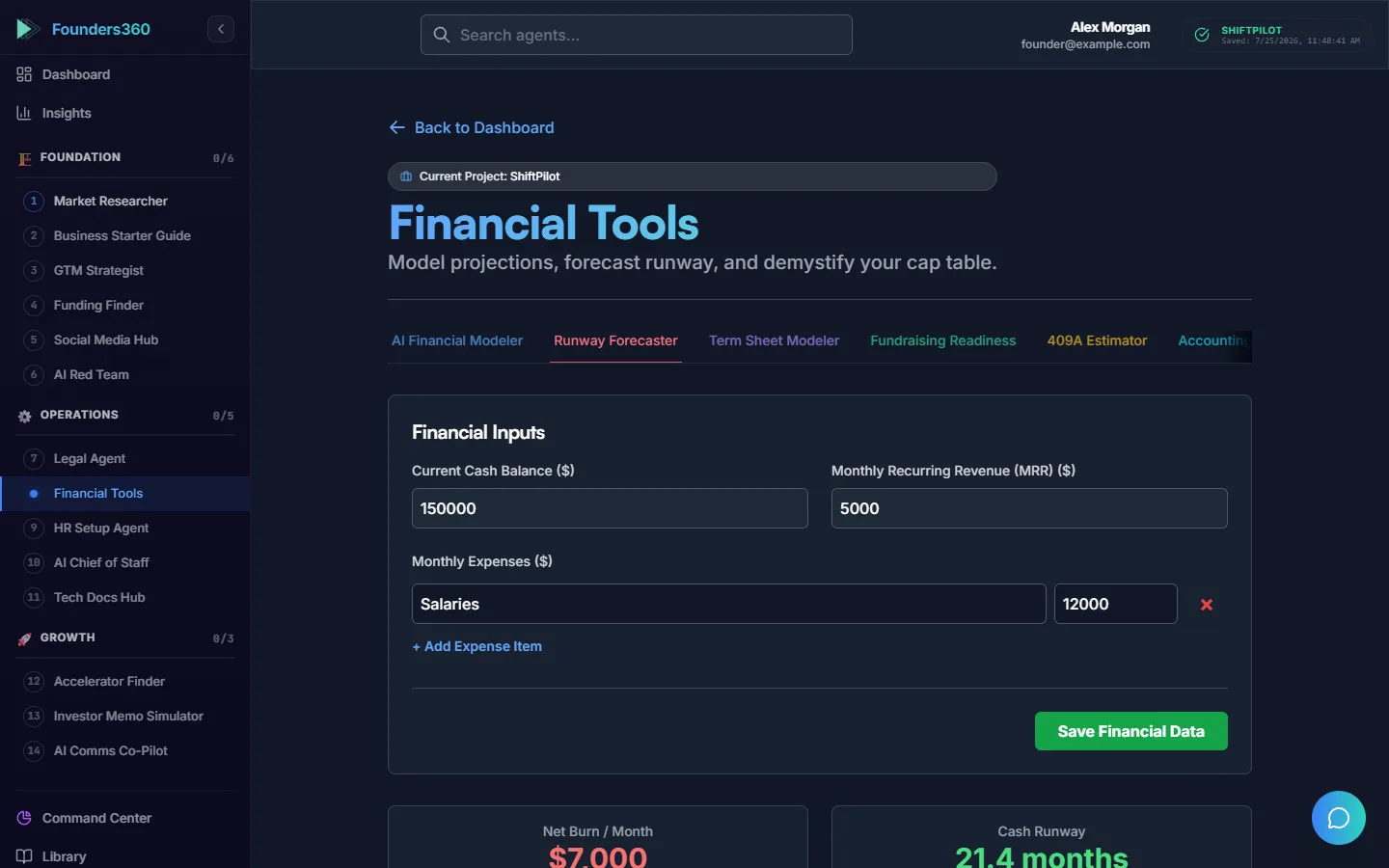
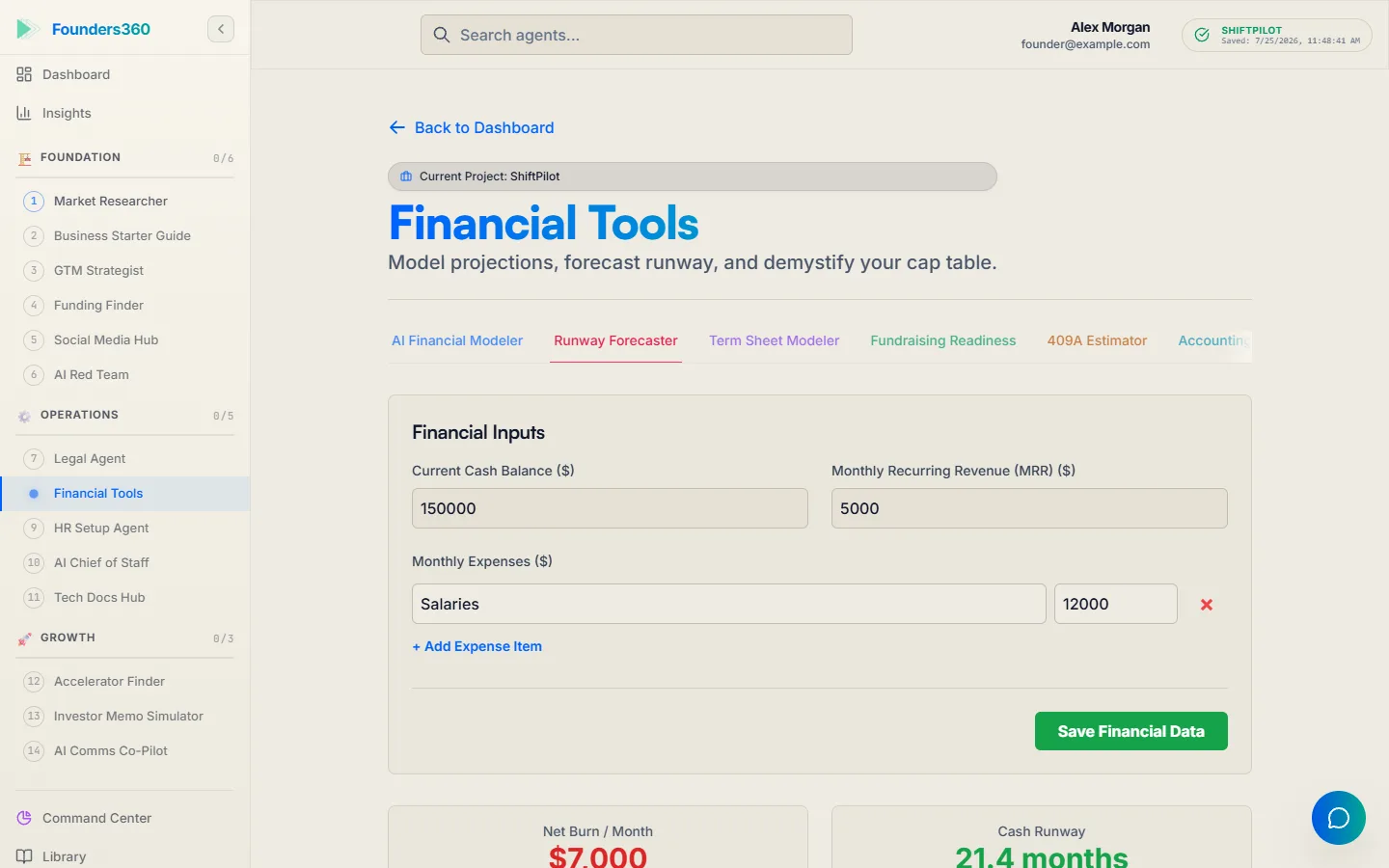
Before you apply, test the worst case. If sales came in 30 percent below plan, could you still make the payment? That figure is illustrative, so choose your own downside. If the answer is no, borrow less or wait.
When is a loan better than raising money from investors?
A loan is usually better when you have steady or predictable income, a clear use for the money, and you want to keep full ownership. Investors buy a share of your company, so their money is paid back through ownership, not through monthly payments.
Consider a loan when:
- You will buy something with clear returns, such as equipment, stock or a renovation that produces income.
- Your business can make regular payments. Loans suit businesses with cash flow, such as shops, services and agencies.
- You want to keep control and ownership. A loan ends when it is repaid. Equity does not.
- Your business is not built for rapid, venture-scale growth. Many good small businesses never fit what venture investors look for.
Consider investors when:
- You have no revenue and need time to build, because a loan payment starts soon and does not wait for a product to succeed.
- You are aiming for very fast growth and accept giving up part of the company in return.
- The risk is high. Lenders expect repayment even if the idea fails, and a personal guarantee or personal loan can put your own money on the line.
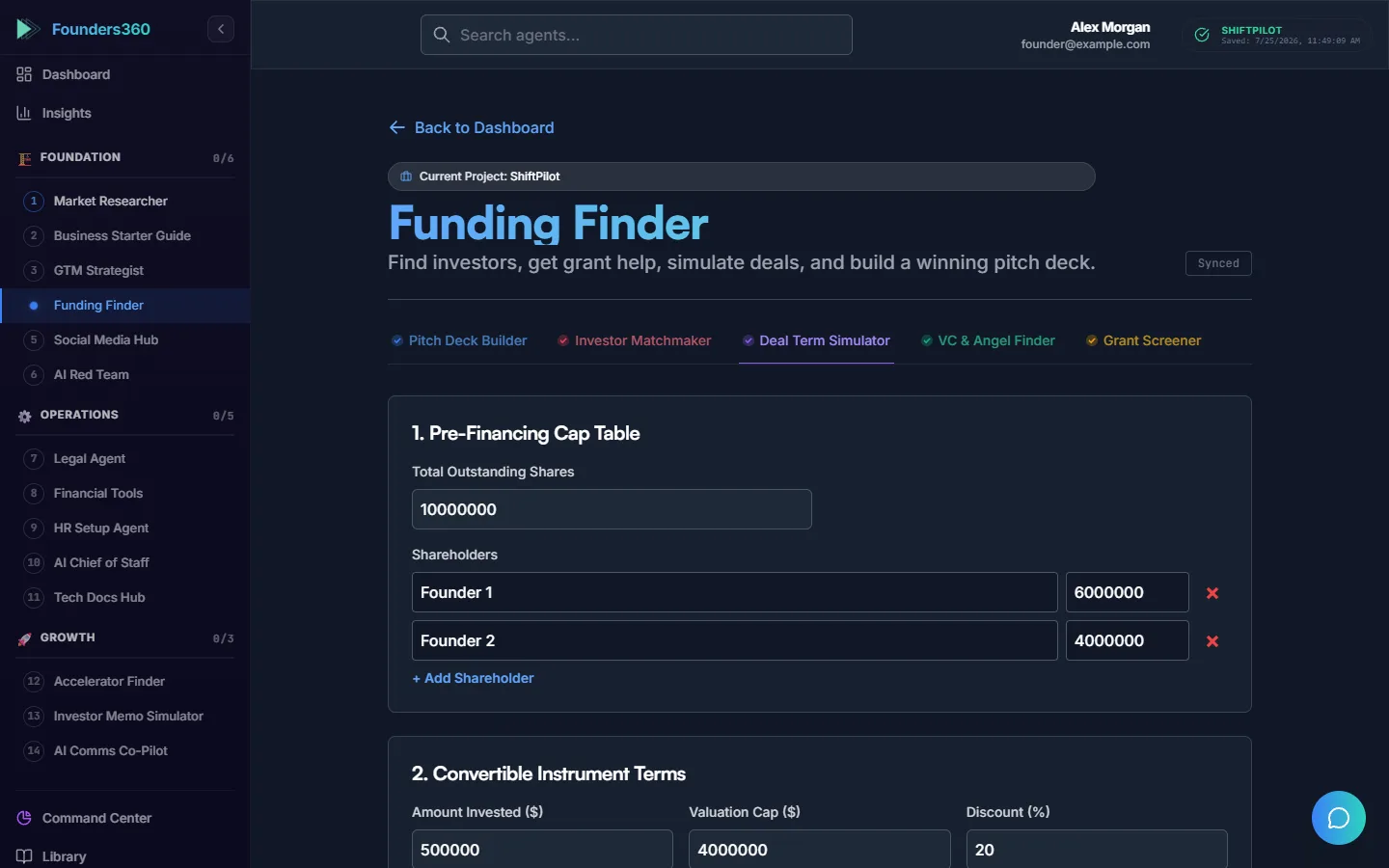
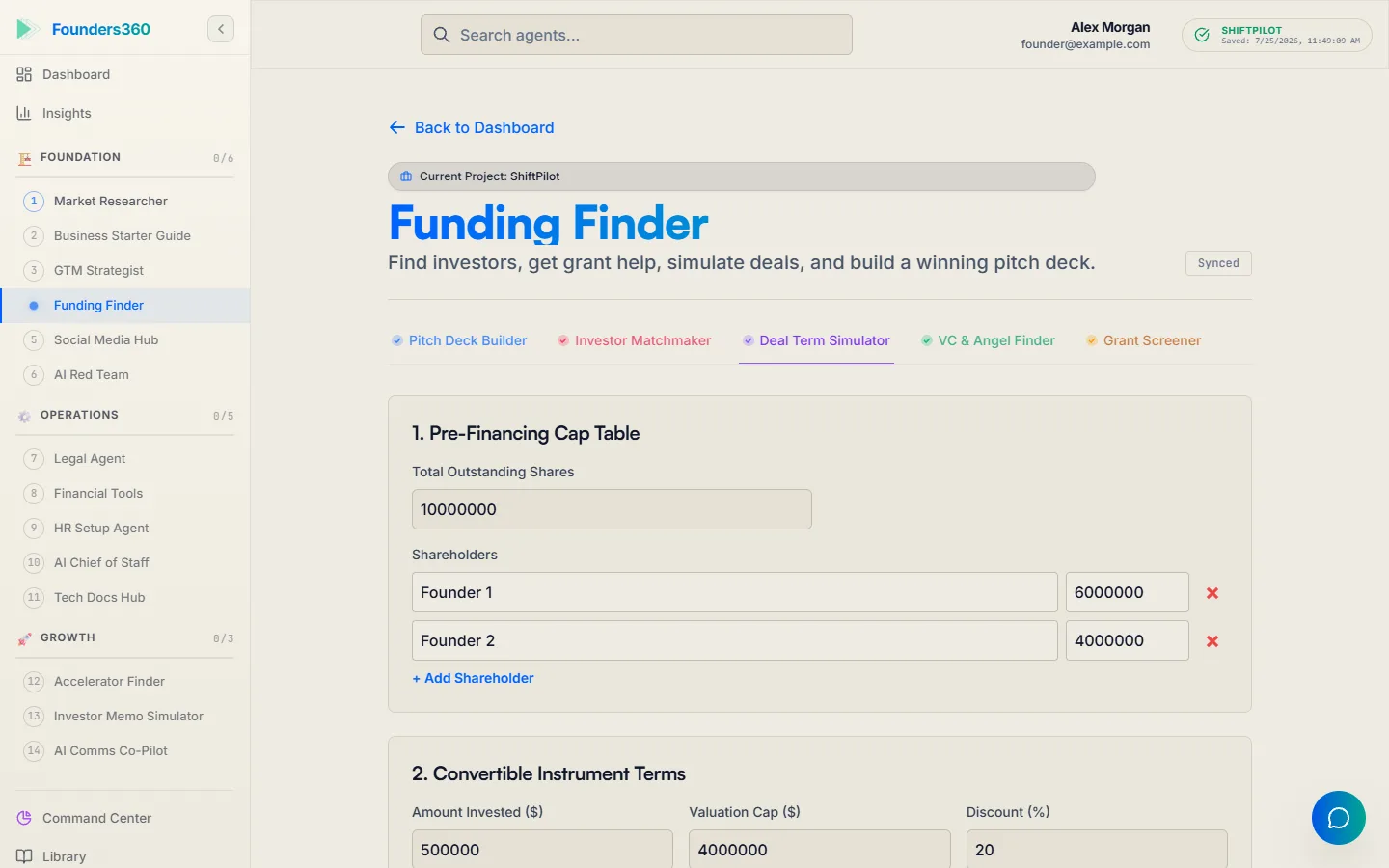
Many founders combine sources. Our guide to non-dilutive funding for startups explains grants and other money that does not take ownership, and our bootstrapping versus venture capital framework helps you decide which path fits. The Founders360 Funding Finder can help you explore funding options, though you should confirm eligibility on the official pages.
What mistakes should you avoid with a small business loan?
The most common mistake is borrowing more than the business can repay. Keep these in mind:
- Ignoring total cost. Compare the interest rate, fees and repayment term, not just the monthly payment.
- Applying everywhere at once. Many credit checks in a short time can be a nuisance. Research first, then apply to the best matches.
- Mixing personal and business money. Keep separate accounts so your records are clean.
- Skipping the fine print. Check for personal guarantees, security over assets and early repayment terms.
- Using the loan for something that does not earn money. Use it for items that help produce income.
- Waiting until you are desperate. It is easier to borrow when your business is steady than when cash has run out.
If something in a contract is unclear, ask the lender to explain it, and consider speaking to an accountant or lawyer in your country.
Frequently Asked Questions
Does the government lend me the money directly?
Not in the US or Canada programs described here. The SBA says it does not lend directly under 7(a), and the Canadian government says financial institutions approve the loans. The UK Start Up Loans program is a government-backed personal loan with its own application, described on GOV.UK.
Can a start-up with no revenue get a loan?
It depends on the program and the lender. The CSBFP page says start-ups can qualify, and UK Start Up Loans are for businesses trading for less than five years. The SBA 7(a) Working Capital Pilot needs a year of operating history. Expect lenders to look closely at your plan and credit.
What is the difference between an SBA microloan and a 7(a) loan?
Size and who lends. A microloan is up to $50,000 and comes from nonprofit community lenders, while a 7(a) loan can be up to $5 million and comes from participating lenders. Both are described on the SBA's pages.
Is a UK Start Up Loan a business loan?
No. GOV.UK describes it as an unsecured personal loan and says you must pass a credit check. You, not the company, are responsible for repaying it.
Should I take a loan or raise money from investors?
Take a loan if you have predictable income and want to keep ownership. Consider investors if you need time to build before earning and are aiming for fast growth. Many founders use a mix, and the right choice depends on your cash flow and goals.
Tags
Related Articles
Employee Stock Option Pool Explained: How Big It Should Be and How It Dilutes You
An employee stock option pool is a block of shares set aside for future hires. This guide explains what it is, how to size it from a hiring plan, why investors usually want it counted before their money goes in, and how it changes what founders own.
8 min readFundraisingTerm Sheet Explained: The Clauses Founders Must Understand Before Signing
A term sheet explained simply is a short, mostly non-binding offer that fixes the price and the control terms of a venture round. Most clauses are standard; a handful of economic and control terms decide who really wins.
7 min readFundraisingSAFE vs Convertible Note: Which Should Your Startup Use?
In a SAFE vs convertible note choice, the SAFE is simpler because it is not debt and has no interest or maturity date, while a note is a loan that converts into equity. This guide compares the terms side by side and shows when each one fits.
7 min readReady to Build Smarter?
Join thousands of solopreneurs using AI agents to scale their businesses.
Get Started Free