
How to Run a Paid B2B Pilot Program That Turns Into a Contract
A paid B2B pilot is a short, limited trial of your product with one customer, with agreed goals and a price, designed to end in a contract. This playbook covers who to pilot with, how to set scope and success criteria, how to price and time it, and how to close the conversion.
By Jay Kambo
A paid B2B pilot is a short, limited trial of your product with one business customer, with a written goal, a fixed price and a decision date. It works when both sides agree before it starts what success looks like and what happens next. This playbook shows how to choose the customer, set the scope, define success, price the pilot, pick a length and turn the result into a contract.
What is a paid B2B pilot and why charge for it?
A paid pilot is a real trial with a price, and charging for it is the clearest way to find out whether the customer is serious. A free pilot costs the customer nothing, so nobody has a reason to give it time, data or attention. When it ends, the champion shrugs and says the team was busy.
A price changes behaviour. Someone had to approve a budget, which means a person with authority has already said the problem matters. The customer also assigns real staff time, because they want a return on what they spent.
The price does not need to be large. It needs to be real. A small fee that covers your costs and passes through the customer's normal approval process is a better signal than a free trial with a generous promise.
Pilots are not for every sale. If your product is cheap, self-serve and quick to try, let people sign up and pay in the usual way. Pilots fit products that need set up, integration with the customer's systems, or a change in how a team works.
Who should you run your first pilot with?
Pilot with a customer who has an urgent, named problem, a budget holder who will attend, and a team willing to use your product. Three checks help before you say yes.
- A real problem. Can they describe the pain in their own words, and say what it costs them today?
- An owner and a buyer. One person will use the product daily and run the pilot. A second person can sign a contract. Often they are different people, and both must be in the conversation. Our guide to finding your first 10 B2B customers explains how to find the right contacts.
- A fit with your ideal customer. A pilot with a company that is nothing like your future customers teaches you little. Our ideal customer profile template helps you check.
Say no to pilots that fail these checks. A pilot for the wrong customer eats weeks of your time and leaves you with a result you cannot repeat.
How do you scope a B2B pilot so it stays small?
Scope the pilot to one use case, one team and one measurable outcome. A common reason pilots fail is that they grow: more users, more features, more integrations, until nobody can say whether it worked.
Write a one page scope document that answers these questions:
- What problem are we testing? One sentence.
- Who uses it? A named team and a rough number of people.
- What is in scope? The features and data that will be used.
- What is out of scope? Write this down on purpose. It protects you from additions that were never agreed.
- What do you need from the customer? For example, access to data, a weekly check-in, and a named owner.
- What do you provide? Set up, training, support hours and response times.
- What are the risks? Security review, data handling and any rules the customer must follow.
If the customer asks for something that is not in the scope, do not simply say no. Write it down as a possible next phase, and keep the pilot itself unchanged.
What success criteria should a pilot have?
Success criteria are two or three measurable results, agreed in writing before the pilot starts, that decide whether the customer buys. Without them, the decision at the end is a matter of mood.
Good criteria are specific and tied to the customer's own business:
- A number with a baseline. For example, "reduce the time to prepare a weekly report from six hours to two." Capture the current figure before the pilot begins, because you cannot show improvement without a starting point.
- A usage target. For example, "at least eight of ten team members use the product each week."
- A quality or risk check. For example, "no data security issues found by the customer's review."
Add a decision rule: "If we meet these criteria, the customer will move to a paid annual agreement at the agreed price." Having the buyer sign the criteria and the decision rule is the most important step in the whole pilot. It turns a trial into the first stage of a sale.
Keep the list short. Five criteria give the customer five ways to say no. Two or three focused criteria keep the conversation on value.
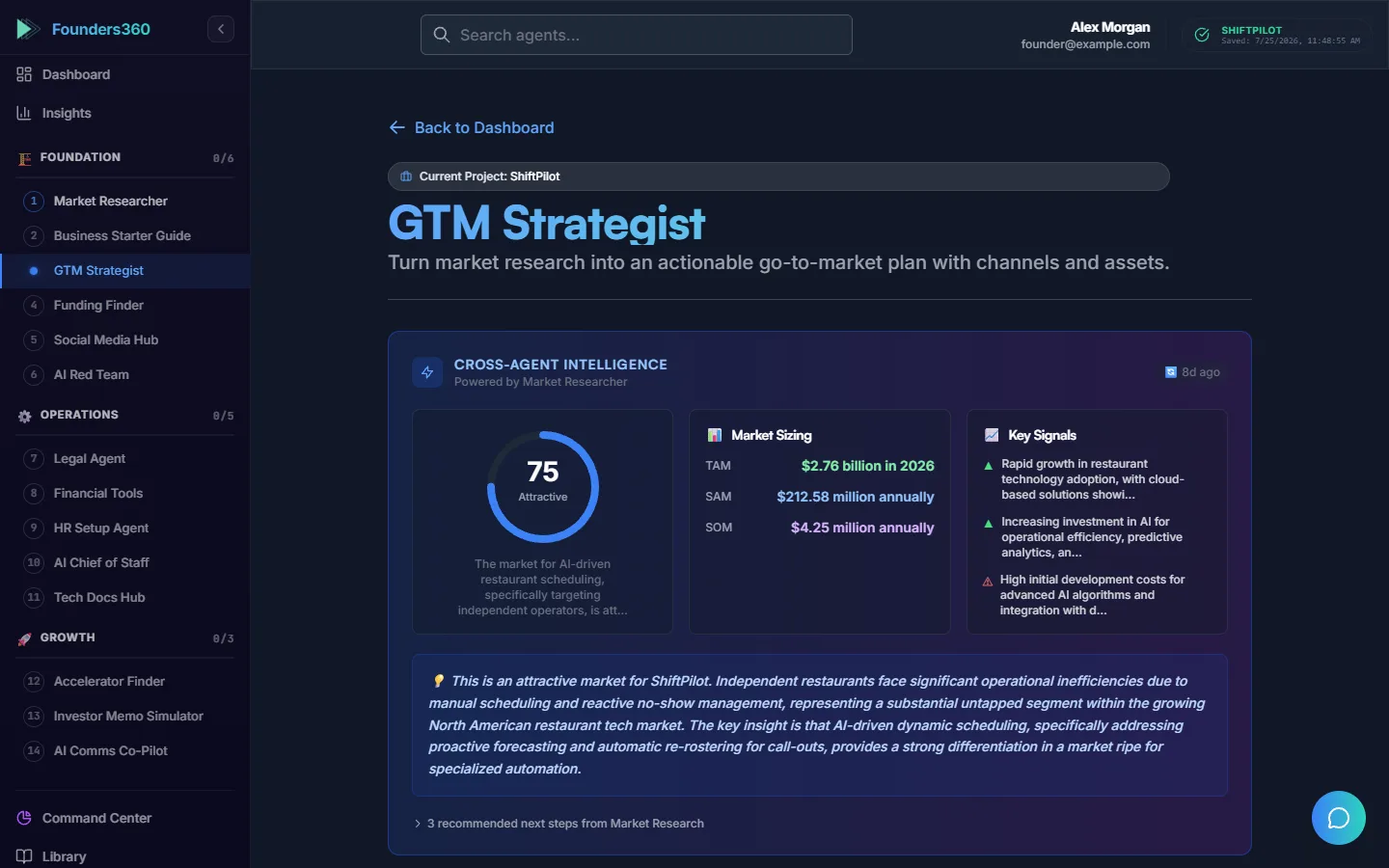
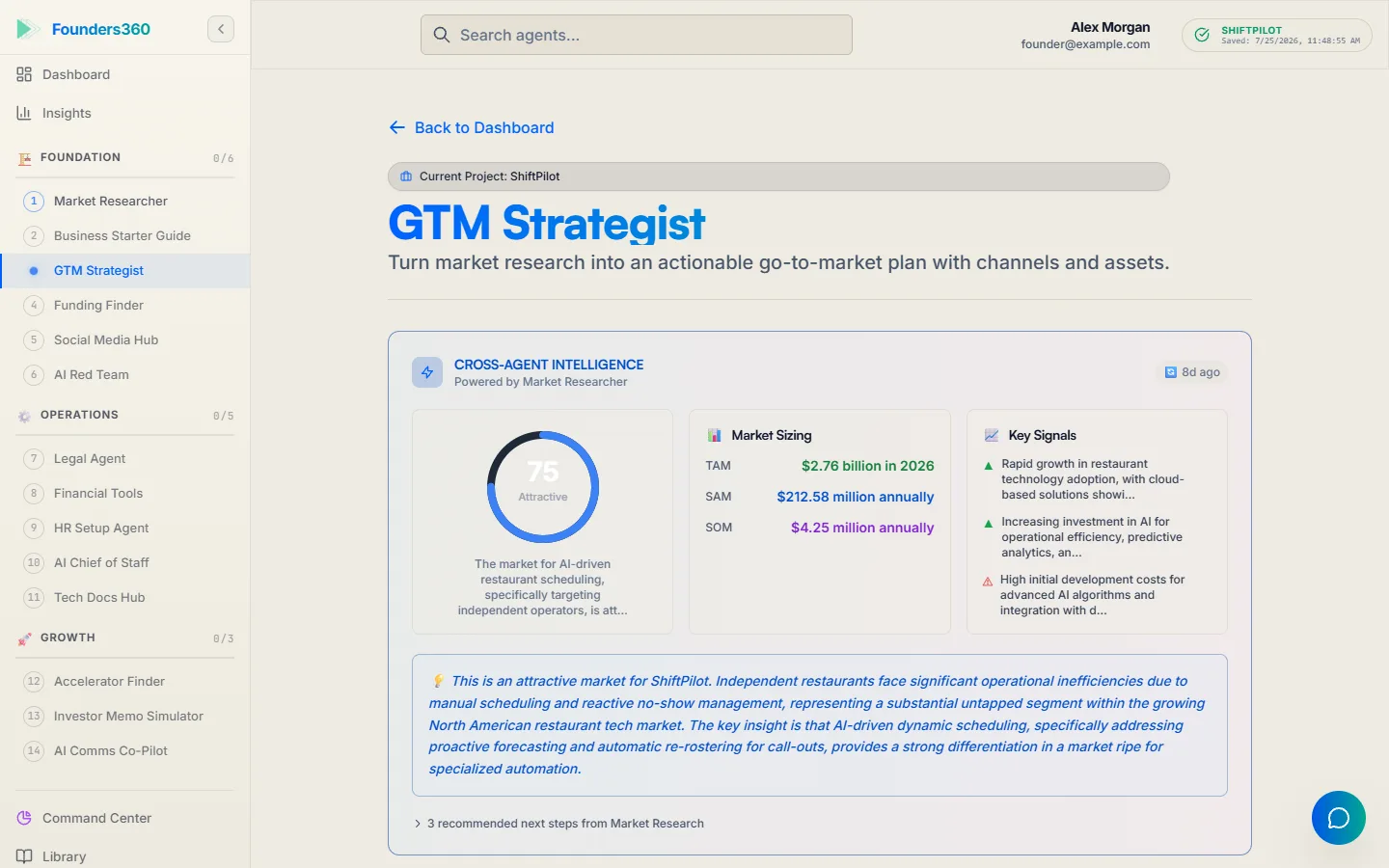
If you are still unsure which customer type to target, the Founders360 GTM Strategist is one place to work through the segment before you offer a pilot.
How should you price a B2B pilot?
Price the pilot so that it covers your direct costs, is small enough for one manager to approve, and is credited against the first contract when the customer buys. There is no universal pilot price, and any number quoted without knowing your product and customer is a guess.
Use these principles:
- Start from the customer's budget rules. Many companies let a manager approve small spending without a long process. Ask your contact where that line sits, and price below it.
- Cover your real costs. Add up set up time, support hours, hosting and any third party charges. A pilot that loses money on every customer does not scale.
- Link the price to the value. If the pilot targets a problem that costs the customer a known amount each month, a modest fee is easy to justify.
- Credit the fee to the contract. Tell the customer that the pilot fee will be deducted from the first annual price if they convert. This removes the feeling that they are paying twice.
- Do not discount to zero. If a customer insists on a free pilot, offer a shorter one, or a smaller scope, but keep some commitment from them, such as staff time and a signed success plan.
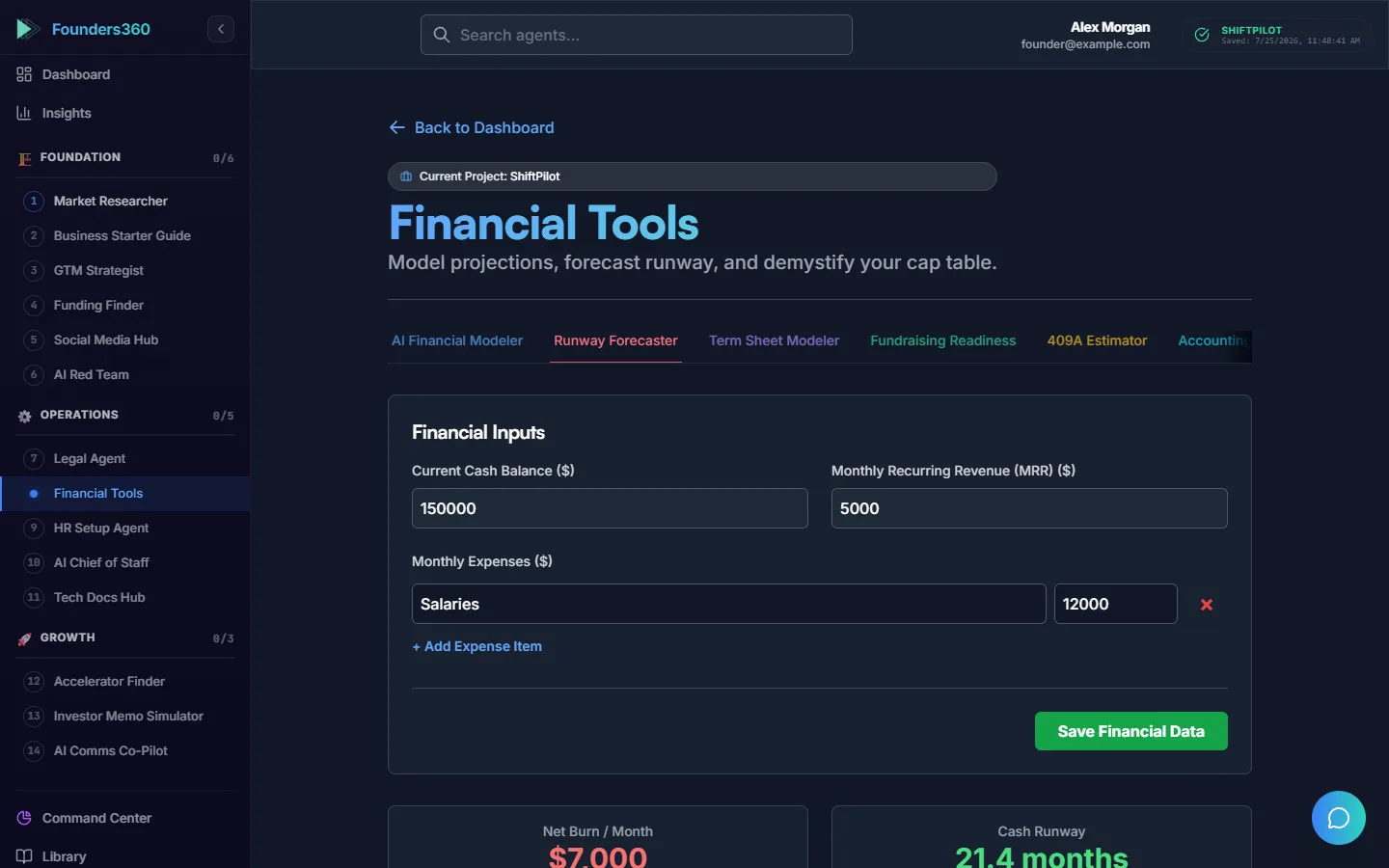
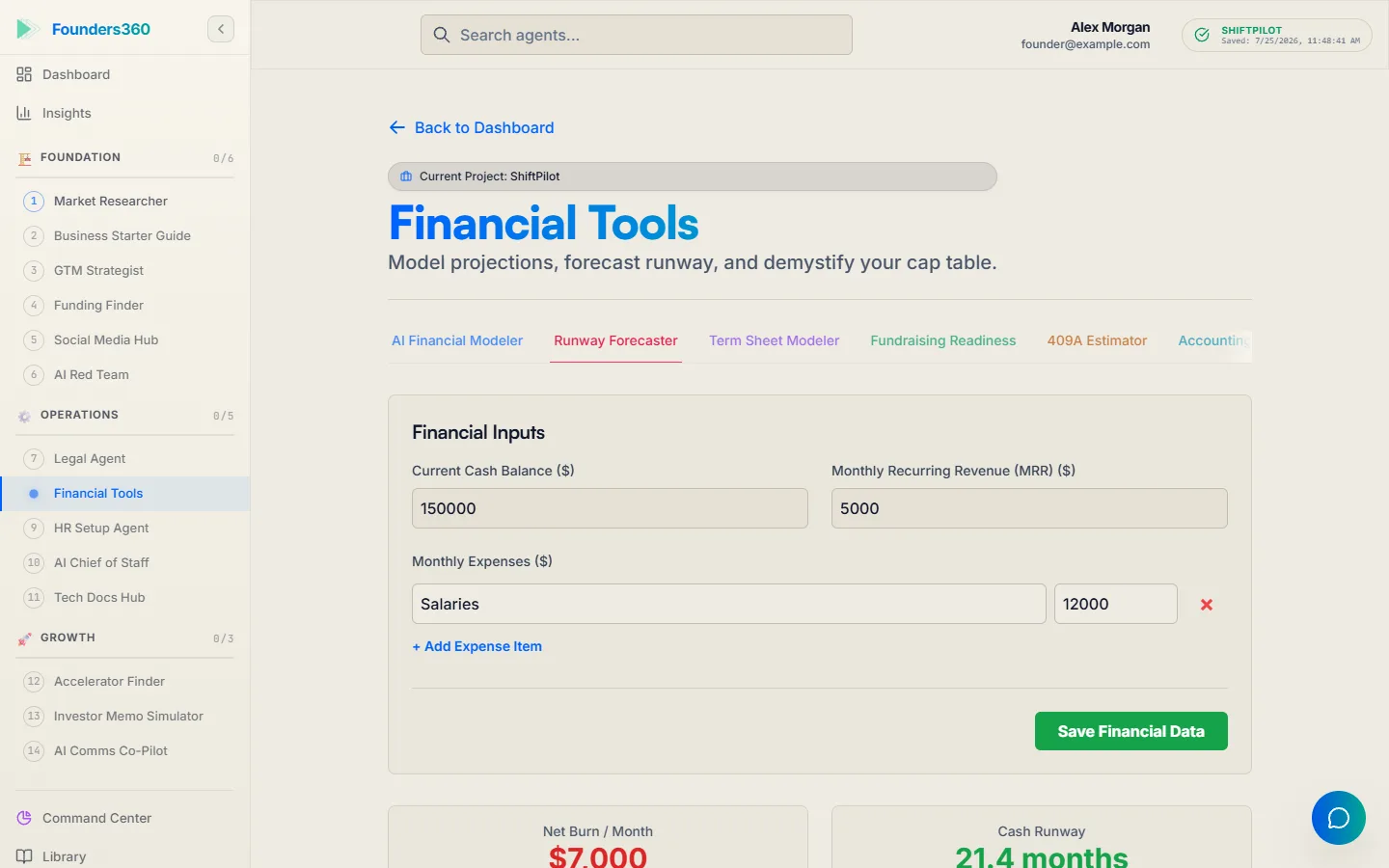
Our guide to unit economics for early-stage startups shows how to check that your pilot price and your later contract price make sense together. The Founders360 Financial agent can help you model the numbers, but the pricing decision belongs to you.
How long should a B2B pilot last?
Most pilots should last long enough to see the outcome at least once or twice, and not much longer. The right length depends on how often the customer experiences the problem. If the problem happens daily, a few weeks may be enough. If it happens monthly or quarterly, you need a period that covers several cycles.
Set a fixed start date and end date in the agreement. Open-ended pilots drift, and a drifting pilot is often a lost deal. A useful starting point is a window that covers at least two full cycles of the problem, matched to your customer's real calendar.
Build a simple timeline:
- Week zero: Sign the scope and success criteria. Set up accounts and data.
- First two weeks: Onboard the team and fix early issues quickly.
- Middle: Hold a short weekly check-in with the owner. Share usage data each week.
- Late: Hold a review meeting to compare results with the criteria.
- End date: Present the results and ask for the decision.
Book the final review meeting on day one, with the buyer on the invitation. It is much easier to schedule at the start than to chase at the end.
How do you turn a pilot into a signed contract?
Prepare the contract during the pilot, not after it. Send the draft agreement while the results are still coming in, so that a good outcome leads directly to a signature.
Take these steps:
- Send a short results report at the end. Show the baseline, the result, the usage numbers and the customer's own quotes, but only if they have agreed to them.
- Ask for the decision in the review meeting. Refer back to the decision rule that the buyer signed at the start.
- Have the paperwork ready. The commercial terms, the price, the term length and the start date should be in a draft that is easy to sign.
- Name the next phase. If the pilot covered one team, show the rollout plan for others.
- Handle security and legal early. Contract reviews can take longer than the pilot. Ask in week one who will review it and what they need.
If the pilot misses the criteria, do not argue. Ask what you learned, whether a fix is possible and whether an extension makes sense. A clear failure is useful information, and a customer who sees you take it seriously may still become a reference.
Have a lawyer review your pilot agreement and your master contract, as terms on data, liability and intellectual property differ by country. This is general information, not legal advice. Our roundup of AI legal tools for startups lists tools for a first draft.
What mistakes make a pilot fail?
Failed pilots often share the same few mistakes, and each of them can be avoided. Check this list before you start.
- No agreed success criteria, so the customer decides on a feeling.
- No budget holder involved, so the champion loves it but cannot buy it.
- Scope creep, where extra requests stretch the pilot and hide the result.
- A free or token price, so no one gives it priority.
- No end date, so the pilot becomes unpaid consulting.
- No plan for the next step, so a good result leads to silence.
- Founder dependence, where the pilot works only because you personally fix everything. Write down what you do by hand so that you know what to automate.
Frequently Asked Questions
What is the difference between a pilot and a proof of concept?
A proof of concept tests whether something can work technically, often in a lab setting. A pilot tests whether it works for a real team in their real workflow, with real goals. A pilot is closer to a sale, so it should carry a price, success criteria and a decision date.
Should a startup charge for a pilot?
In most cases yes, even a modest fee. A price shows that a budget holder has approved the work and encourages the customer to commit time and data. If a customer will only accept a free trial, shorten it, limit the scope and require a signed success plan.
How long should a B2B pilot be?
Long enough to see the result at least once or twice in the customer's normal cycle, with a fixed start and end date. Match the length to how often the customer feels the problem, so that the pilot covers at least two full cycles.
What should success criteria for a pilot include?
Two or three measurable results tied to the customer's business, each with a starting baseline, plus a written decision rule that says what happens if the criteria are met. Have the buyer sign them before the pilot begins.
What if the pilot succeeds but the customer does not buy?
Go back to the decision rule they signed and ask what has changed. Common causes are a missing budget holder, a long security review or a competing priority. Ask for a clear answer and a date. If the answer is no, ask for feedback and permission to stay in touch.
Tags
Related Articles
How to Find a Co-Founder: Where to Look and How to Test the Fit
The best way to find a co-founder is to decide what you need, search where people already work on startups, and then test the fit with a short trial project before anyone gets equity. This guide covers each step in plain words.
8 min readPlaybooksCustomer Discovery Interview Questions and How to Run the Interviews
Good customer discovery interview questions ask about the past, not the future: the last time the problem happened, what it cost, and what the person tried. This playbook gives you a question list, rules for running the conversation, and a way to turn notes into decisions.
9 min readPlaybooksHow to Price Your Product or Service as a New Founder
To price a product or service as a new founder, work out your costs first, then check what customers value and what alternatives charge, pick a starting price, and treat it as a test. This playbook covers the three main methods, tiers and a simple way to test and change prices.
9 min readReady to Build Smarter?
Join thousands of solopreneurs using AI agents to scale their businesses.
Get Started Free